
Boating From Bonita Springs: Ramps, Launches & Access
One public trailer ramp, one paddle-craft launch with a confusingly similar name, and a run down the river that ends in a bay where low tide decides how the day goes.
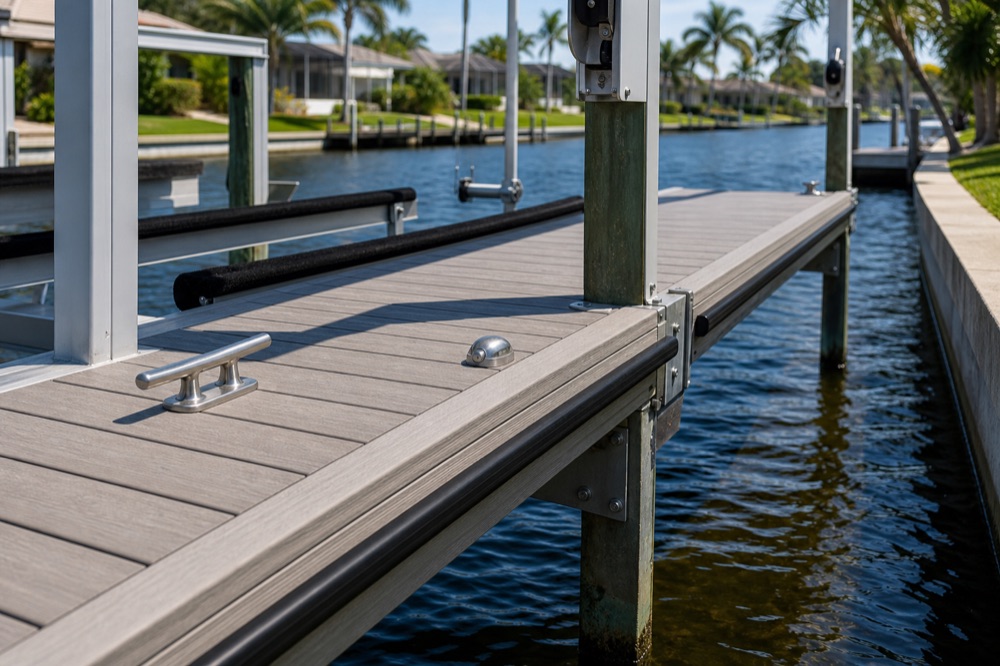
- Public trailer ramp
- The Imperial River Boat Ramp, on the river off US 41
- Paddle-craft launch
- Riverside Park: canoe and kayak only, not a trailer ramp
- The run out
- Down the river to Fish Trap Bay and Estero Bay
- Reaching the Gulf
- More than one pass, depending on conditions
- The honest warning
- Low tide outside the marked channels is when trouble happens
Key takeaways
- The Imperial River Boat Ramp, on the river off US 41, is the public trailer ramp in Bonita Springs.
- Riverside Park has a canoe and kayak launching dock only. It is not a trailer ramp, and the similar names catch people out.
- Confirm current hours, fees and parking rules before you go. Those are precisely the details that go stale.
- From the river you reach Fish Trap Bay and Estero Bay. More than one pass gets you to open Gulf water, depending on conditions.
- Back-bay water runs shallow outside the marked channels and the sandbars move. Low tide is when boaters get into trouble here.
Boating out of Bonita Springs starts with getting the names right.
There is a public trailer ramp here, and there is a paddle-craft launch a short distance away, and the two names sit close enough together that people genuinely turn up at the wrong one, sometimes towing a boat. So, before anything else on this page: the Imperial River Boat Ramp is the trailer ramp. Riverside Park is the canoe and kayak launch. They are not interchangeable.
Where can you launch a trailered boat?
The Imperial River Boat Ramp, on the Imperial River off US 41.
That is the public trailer ramp in Bonita Springs, and it drops you straight onto the water that runs down to the bay. It is the one local boaters mean when they talk about launching here.
★ Confirm current hours, fees and parking rules before you go. We do not print those here on purpose. They change, they differ by operating authority, and a figure that was right last season is worse than no figure at all. Ask whoever runs the ramp, the week you plan to use it, especially if you are counting on a particular launch time on a weekend.
Make that a habit rather than a one-off. Access arrangements at public launches get revised, trailer parking gets reorganized, and a lot or a lane can close for maintenance or an event with very little warning. It is a two-minute question the night before, and it is the difference between launching and turning a rig around in a parking lot.
What about Riverside Park?
Riverside Park has a canoe and kayak launching dock. It is a paddle-craft launch, not a trailer ramp, and it should not be treated as one.
Hold onto that distinction, because the same facility is genuinely useful for the right craft and a wasted morning for the wrong one. Estero Bay belongs to the Great Calusa Blueway paddling trail system, the protected water here is some of the better paddling on this coast, and the launch exists because people are on it constantly.
The same rule about checking current hours, fees and parking applies.
Where does the water actually take you?
Down the Imperial River to Fish Trap Bay, and out into Estero Bay.
From there, more than one pass reaches open Gulf water, and which one you would use depends on conditions rather than on a fixed rule. There is also a fixed highway bridge carrying US 41 over the Imperial River, which sets a ceiling on how tall a boat can be to move between the upriver stretch and the bay: confirm the current clearance yourself rather than assuming. Our Bonita Springs canal and water guide works through the whole system, the bridge and the pass question properly.
What is the etiquette at a shared ramp?
Simple, universal, and worth saying because it is where nearly all ramp friction comes from.
Do the preparation in the staging area, never on the ramp itself: straps off, plug in, lines and fenders rigged, cooler and gear aboard, battery on. Then back down, launch, and move the boat off the ramp to the courtesy dock before you go and park the trailer. Retrieval is the same sequence backwards: get the boat on the trailer, pull clear of the lane, and do the flushing, draining and tidying somewhere that is not holding up the four people behind you.
Weekend mornings are busy at every good ramp on this coast, and the people who make it look effortless are simply the ones who did their thinking in the parking lot.
What is the honest math on trailering?
Nobody prints this part, so we will.
Every trailered outing here is assembled from the same pieces, and only a couple of them are boating: hitching up, driving, queueing, launching, parking the rig, running down the river, running back up it, queueing again, loading, flushing, driving, unhitching, rinsing. Two of those are the reason you bought a boat. The rest is logistics with a boat attached.
Add that overhead up honestly and you get the complaint we hear most often from owners along this river: the boat goes out less. A free Wednesday afternoon does not survive the list, so the boat stays on the trailer, and a boat that sits picks up trouble that a boat in weekly use never sees.
That arithmetic is what retires the trailer for most owners who bought on this river. It is also why a lift is the upgrade we install more than any other: what a lift installation involves covers the process, and types of boat lifts covers which configuration suits which water.
What does it take to keep the boat at home?
It comes down to the water in front of your house more than the boat in your driveway. Our Bonita Springs boat lift guide runs the full decision. Three things settle most of it:
- How much water sits at the slip when the tide is at its lowest. That figure, not the comfortable average, picks the configuration. A shallow slip reshapes the design rather than ending the conversation: boat lifts in shallow water at low tide.
- What the boat weighs fully loaded, fuel and water and gear counted in, with 20 to 30 percent of margin on top. What size boat lift do I need runs those numbers.
- What is standing there now. Pilings already in the water sometimes carry a lift and sometimes cannot, and the shape of an existing dock narrows the options either way.
Smaller craft solve differently. Kayaks and paddleboards want storage racks or a small-craft lift rather than a ramp, and on this water they tend to get used more than anything else in the yard. Personal watercraft land in between: heavier than anything you carry down a bank, lighter than anything that justifies a full trailer day, which is the gap jet ski lifts exist to close.
What actually gets people in trouble here?
Low water, outside the channel. This is the honest close.
The back-bay water in this system runs shallow outside the marked channels, and the sandbars move. Independent boating sources say it in nearly the same words, and so do the people who run it every week: low tide is when boaters get themselves aground, and it happens to competent people who took a line that worked last month.
There are no depth figures on this page for the same reason there are none anywhere else on this site. They vary, they change, and a number off a website is no substitute for a current chart and a careful eye. Run the marked water, plan around the tide rather than against it, and give the shallows more room than you think you need. On wildlife, manatees included, check FWC and slow down.
If you would rather stop trailering altogether, we will come measure your slip and tell you honestly what fits. Free on-site estimate anywhere on Bonita Springs water: (239) 397-3400.
The rest of our Bonita Springs library: permits, water, storms, and what we actually see on these docks.